
Blog
Notable Places to Explore Around
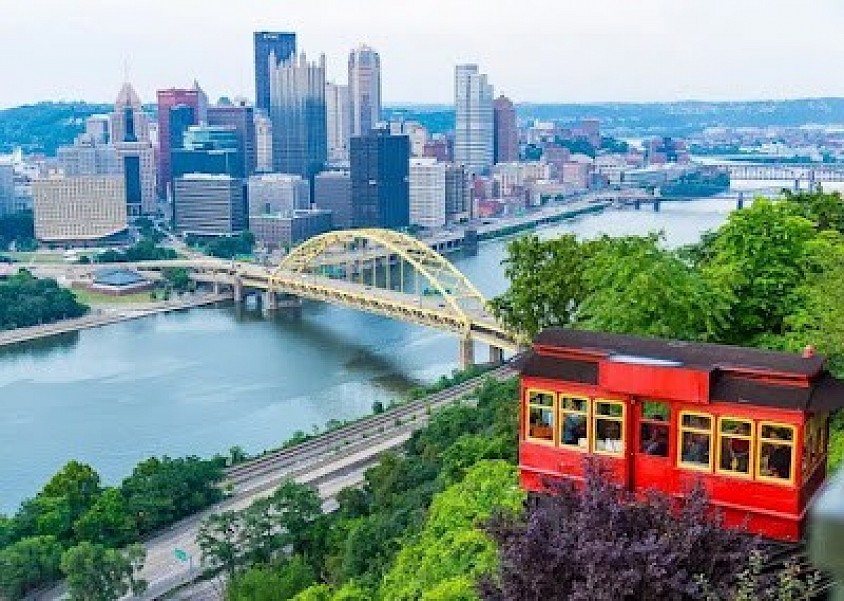
Begin where the waterways meet and the skyline lifts—riverfront parks deliver sweeping perspectives that set the tone for exploration. At Point State Park, tree-lined promenades and lawned esplanades frame the rivers, blending natural scenery with interpretive displays that sketch the region’s strategic past. Farther upslope, the Mount Washington overlooks transform the cityscape into a luminous tapestry at dusk. The Duquesne and Monongahela inclines carry visitors along a dramatic grade, a living link to an era when hillside neighborhoods relied on funiculars to knit communities together. In practice, a late-afternoon ascent brings long shadows over bridges and stadiums, followed by a twilight descent when the river glitters like hammered brass. That juxtaposition—industrial geometry against fluid water—encapsulates the city’s resilient spirit.
World-class institutions cluster within a quick drive, each offering a different lens on creativity and inquiry. The Carnegie Museum of Art and the Carnegie Museum of Natural History share an elegant complex where galleries pivot from impressionist canvases to intricate mineral halls. Nearby, Phipps Conservatory unfurls a labyrinth of glasshouses, seasonal exhibits, and botanical artistry that thrives in every season. Across the river, the Andy Warhol Museum spotlights boundary-pushing pop art and the power of repetition in modern media. The Children’s Museum of Pittsburgh and the adjacent MuseumLab invigorate young minds with tinkering stations and hands-on installations, while Bicycle Heaven—equal parts museum and fantasia—stacks gleaming frames and neon signage into a kinetic shrine to two-wheeled culture. Each venue invites unhurried wandering; taken together, they form an arc of imagination that rewards repeat visits with new details.
Parks thread through the region like emerald seams. Schenley Park joins wooded trails to open lawns, offering an easy segue from campus bustle to tranquil ravines. Frick Park, renowned for its trail network and birding, lets hikers move from sun-dappled paths to hushed hollows in minutes. For sweeping picnics and summer concerts, Hartwood Acres provides rolling meadows and a historic estate backdrop, while Mellon Park charms with walled gardens and fountains where lunchtime feels ceremonious. Cyclists gravitate to the Three Rivers Heritage Trail, a well-connected route lining the water’s edge. Even brief detours promise discoveries: a steel truss bridge glimpsed through sycamores, a graffiti mural blooming beneath a viaduct, or a heron paused like a sentinel in an eddy.
Street-level exploration unveils a motley of districts, each stamped with idiosyncratic flair. The Strip District hums from daybreak with markets and bakeries, aromatic stalls, and storefronts stacked with spices, coffee beans, and regional provisions. Lawrenceville juxtaposes boutique storefronts and vintage facades along its main thoroughfare, segueing into side streets speckled with murals and quirky galleries. The South Side Flats offer an energetic rhythm of cafes and music nooks at night, while the slopes above deliver quiet stairways and century-old homes. On the North Side, the National Aviary houses a kaleidoscope of free-flying species, and Randyland explodes with color, transforming reclaimed objects into exuberant public art. Each enclave rewards a different tempo—fast for browsing, slow for savoring, and contemplative for noticing the architectural flourishes above the awnings.
The region’s heritage of mills and making resonates in sites reborn for the present. The Carrie Blast Furnaces preserve a monumental silhouette, a cathedral of ironwork that towers over riverbanks and tells the story of labor, innovation, and metamorphosis. The Rivers of Steel Pump House on the Monongahela recounts pivotal moments in the area’s labor history while anchoring a scenic waterfront trail segment. Station Square repurposes rail-era buildings into a convivial riverfront hub, where old brick and iron meet modern lighting and festive promenades. The West End Overlook, once a strategic vantage, has become a serene pocket park with an outsize view. Nothing feels static; everything suggests an ongoing conversation between past and future, grit and grace.
Beyond the city’s edge, the Laurel Highlands and nearby state parks provide an antidote to urban pace. Ohiopyle State Park draws kayakers to frothing rapids and hikers to fern-laced hollows, while the Great Allegheny Passage invites long, meditative rides beneath cathedral-like canopies. Architectural pilgrims find a definitive waypoint at Fallingwater, where stone and stream interlock in a seamless harmony of form and landscape. Closer to the metropolitan radius, the Pittsburgh Botanic Garden weaves meadows, woodlands, and artful installations into a contemplative circuit, and Settlers Cabin Park layers picnic groves with rambling trails. These excursions pair well with shoulder seasons—spring for wildflowers, fall for flame-bright foliage—though winter’s stark contours have their own spell.
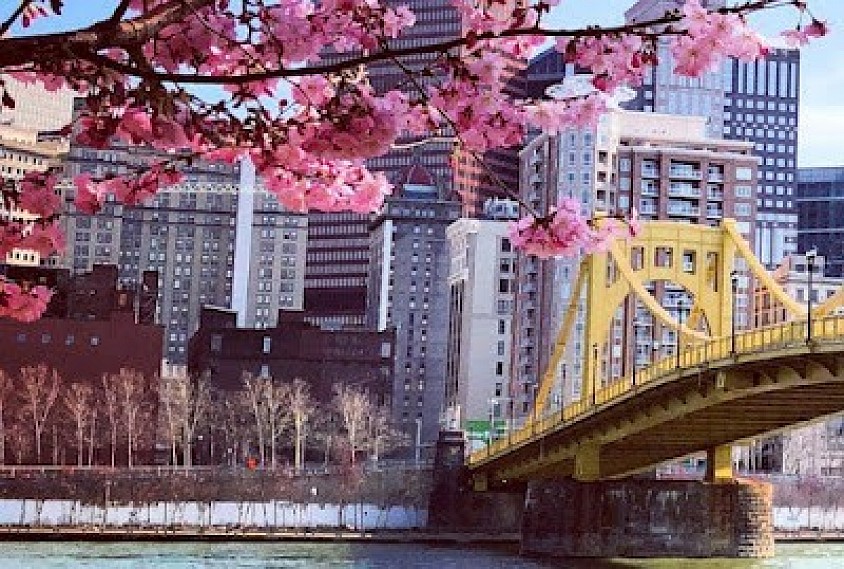
On the North Shore, riverwalks knit together stadiums, public art, and open plazas ideal for pregame ambling or post-sunset lingering. PNC Park frames the skyline with postcard precision from its promenades, while the nearby bridges—iconic in their repetition and hue—create rhythmic pathways across the water. The Roberto Clemente Bridge becomes a civic stage on event days, an amble punctuated by buskers and skyline snapshots. After dark, the city glows: glass towers refract streetlights, rivers mirror the constellations of buildings, and the inclines stitch neighborhoods together in threads of amber.
To create a balanced day, consider mixing marquee landmarks with hyperlocal gems. Try pairing a museum morning with a trail-side afternoon, or a riverfront walk with an overlook at sunset. For variety across arts, outdoors, and heritage, start with a short list of essentials: Point State Park and the Mount Washington Overlooks for iconic views and riverfront calm; the Carnegie Museums and Phipps Conservatory for an art and botany immersion; the Strip District for markets and flavor-forward browsing; or the Frick Park trails for a restorative green interlude. You might also explore the National Aviary and Randyland for delightful, unexpected encounters, bike along the Three Rivers Heritage Trail, or visit Station Square and the inclines for an evening of lights, music, and skyline theater. Blending these anchors with spontaneous detours—an espresso stop down a side street, a mural-spotted alley, or a pocket park you happen upon—makes the day uniquely your own.
A workable rhythm matters as much as the map. Begin early along the river to catch the quiet, then pivot inland to galleries before midday. Reserve the golden hour for outlooks, as the light gilds bridges and brickwork, enhancing photographs and memories alike. Summer invites long twilight rambles, while winter clarifies the geometry of the hillsides. Spring amplifies botanical venues and birding, and autumn saturates parks in russet and gold. Regardless of the season, comfortable shoes, a light layer, and a flexible plan will carry the day.
Hidden and Celebrated Places to Explore Near
Begin where the skyline unfurls: the blufftop vistas that survey the confluence of rivers. The crest of Mount Washington offers a sweeping tableau of bridges arcing like gilded ribs, waterway traffic gliding below, and neighborhoods stitched across the hills. The historic inclines that scale this escarpment deliver both transit and time travel. As the car ascends, windows frame a living diorama of steel trusses, cupolas, and clustered rowhouses. Arriving at the overlooks near the summit, it becomes clear how dawn and dusk paint the scene in entirely different palettes. Early light pulls out the greens and grays of the valley, while twilight turns the water to copper and the skyline to obsidian. Pausing to notice the small things—wind moving through river birches, the hum of rail lines, or a tugboat’s distant horn—humanizes the grandeur.
Follow the riverwalks that braid through the city’s core and adjacent districts. Pathways hug the water’s edge, crossing under landmark spans and skirting pocket parks. These routes encourage lingering rather than just locomotion. Sculptural installations punctuate long stretches, and interpretive panels illuminate the waterways’ ecological revival. From traversable esplanades, you can watch kayakers stitch across eddies while cyclists trace a smooth ribbon of asphalt. The beauty here is dynamic, defined by freight barges passing beneath suspension cables, gulls curling over riprap, and sunlight flashing off glassy facades. A detour toward a pedestrian bridge rewards visitors with a photogenic perspective where steel geometry frames the skyline. Wandering further reveals landings where anglers post up quietly in the lee of a piling, standing in silent counterpoint to the city’s buzz.
A tight cluster of cultural institutions provides a day’s worth of exploration. The natural history and art complex blends dinosaur-era wonders with Impressionist canvases and contemporary installations. Across the river, a multi-floor repository chronicles regional stories of innovation, immigration, and everyday life through hands-on exhibits and artifacts that feel viscerally close. Nearby, a museum dedicated to a trailblazing pop artist juxtaposes celebrity iconography with intimate sketches, reminding visitors that fame is both spectacle and study. For those drawn to boundary-pushing expression, a former factory transformed into a labyrinth of immersive rooms rewards the curious with sensory-rich encounters. The pace shifts naturally from grand galleries to graffiti-bright corridors, encouraging a meander rather than a march.
Green spaces lace the urban grid like emerald sashes. A grand conservatory unfurls glasshouse wings filled with tropical palms, desert flora, and rotating seasonal displays that transform walkways into botanic theater. In the adjacent park, trails wind past athletic fields, stately bridges, and a lake frequented by herons. Joggers share the path with families pushing strollers and students ambling between classes. Travelling east reveals a gentle ravine where footpaths ribbon through thickets of oak and beech. After rain, the air carries a loamy aroma, and mushrooms stipple decaying logs in quiet profusion. For a contrast, seek out a hillside estate whose sculpture-dotted lawns host summer concerts and autumn leaf-peeping in equal measure. The grounds feel gracious yet unpretentious, making it a perfect spot for a blanket, a book, and an unhurried afternoon.
Relics of the region’s manufacturing past now anchor compelling tours and cultural programming. A preserved ironworks site looms like a cathedral of rivets and gantries, its towering stoves and catwalks offering a visceral sense of scale. Guides interpret how ore, heat, and human grit forged an economy, and how those same sites now foster art, education, and community gatherings. Nearby riverfronts, once bustling with mills, have been reborn as mixed-use districts where warehouses morph into eateries, start-up hubs, and artist lofts. Murals animate brick walls where smoke once roiled. This juxtaposition of old and new feels neither contrived nor sanitized; rather, it serves as a thoughtful palimpsest where modern life writes atop a legible industrial script.
Each district brings its own cadence. In one market corridor, early mornings brim with the aroma of roasted coffee, stacked produce, and fresh bread. Vendors banter, neon signage glows, and shoppers weave between legacy butchers and nouveau bakeries. Farther uphill, a tree-lined avenue mixes bistros with independent bookshops and vintage storefronts. Side streets deliver architectural surprises, including Italianate cornices, mansard roofs, and tucked-away courtyards bright with container gardens. Weekends hum with street festivals and makers’ pop-ups, while weekday evenings invite leisurely patio dining. The culinary scene leans toward authenticity and experimentation, allowing you to find pierogies next to ramen, barbecue a few blocks from vegan comfort fare, and ice cream churned with seasonal inventiveness.
Art refuses to be confined indoors. Explore an exuberant rowhouse compound where color-drenched assemblages, mirrored mosaics, and whimsical yard sculptures spark spontaneous smiles. A short hop away, alleyways become galleries as fences and facades host sanctioned murals and ephemeral wheatpastes. On a hilltop in a northside neighborhood, a contemporary museum experiments with light, space, and perspective, compelling visitors to reconsider how art occupies volume. Smaller curiosities abound, such as a pocket park sporting a kinetic sculpture, a skybridge retrofitted with LED patterns, or a staircase painted into a piano. These discoveries delight precisely because they are serendipitous, proving it pays to keep your eyes up, down, and sideways.
When the urge for a wider horizon strikes, compelling excursions lie within an easy drive. Downriver, an amusement park with vintage wooden coasters pairs nostalgia with thrill. To the southeast, an iconic house cantilevered above a forested stream showcases modern architecture’s harmony with the landscape, complemented by state park trails where waterfalls thread through sandstone gorges. Closer to the metropolitan radius, pastoral estates open meadows and woodlots to ramblers who prefer birdsong to traffic, while reservoirs fringe trails ideal for trail-running and contemplative walks. It is wise to pack layers, as the weather along ridgelines can shift quickly, rewarding preparedness with comfort and time to linger.
Wayfinding is straightforward if you travel with a flexible plan. Riverfront parking fills quickly on game days, so use hillside overlooks or neighborhood garages as alternatives, then connect via light rail or rideshare. Museum clusters reward early starts, letting you savor exhibits before peak crowds arrive. Outdoor explorers should check trail conditions after heavy rain, as clay soils can become slick. For lunch, market districts concentrate your options, while park picnics make for a restorative interlude between venues. Evening photography works best from west-facing overlooks; bring a small tripod and patience for that velvety blue-hour glow. If your schedule allows, revisit favorite spots at a different time of day, since the same corner can feel newly minted under a different light.
To build a balanced itinerary, consider mixing these highlights into your schedule: river bluff overlooks with funicular access for unrivaled skyline views; a grand conservatory and adjacent urban park with varied trails; and the pop art museum featuring intimate works alongside major exhibitions. You can also include a hands-on regional history center within a revitalized warehouse, an immersive contemporary art museum in a former factory, and a historic market corridor lined with grocers, cafés, and street art. Round out your plans with a preserved ironworks site offering guided interpretive experiences, a sculpture-dotted estate park suitable for concerts and picnics, a pedestrian bridge perfect for sunset photography, and a scenic riverwalk segment featuring public art and skyline reflections.
The area’s magnetism ultimately emerges from contrast and continuity. Water threads through the narrative, binding hills to neighborhoods and the past to the present. Cultural institutions steward memory while encouraging fresh creation, and green spaces aerate dense blocks to offer reprieve and perspective. Industrial heritage stands not as a relic, but as raw material for renewal. Visitors feel welcomed by a civic ethos that consistently favors authenticity over gloss. Come for the vistas and headliners, but stay for the side streets, the conversations at market counters, and the small, indelible moments that lodge in memory long after the maps are folded away.